

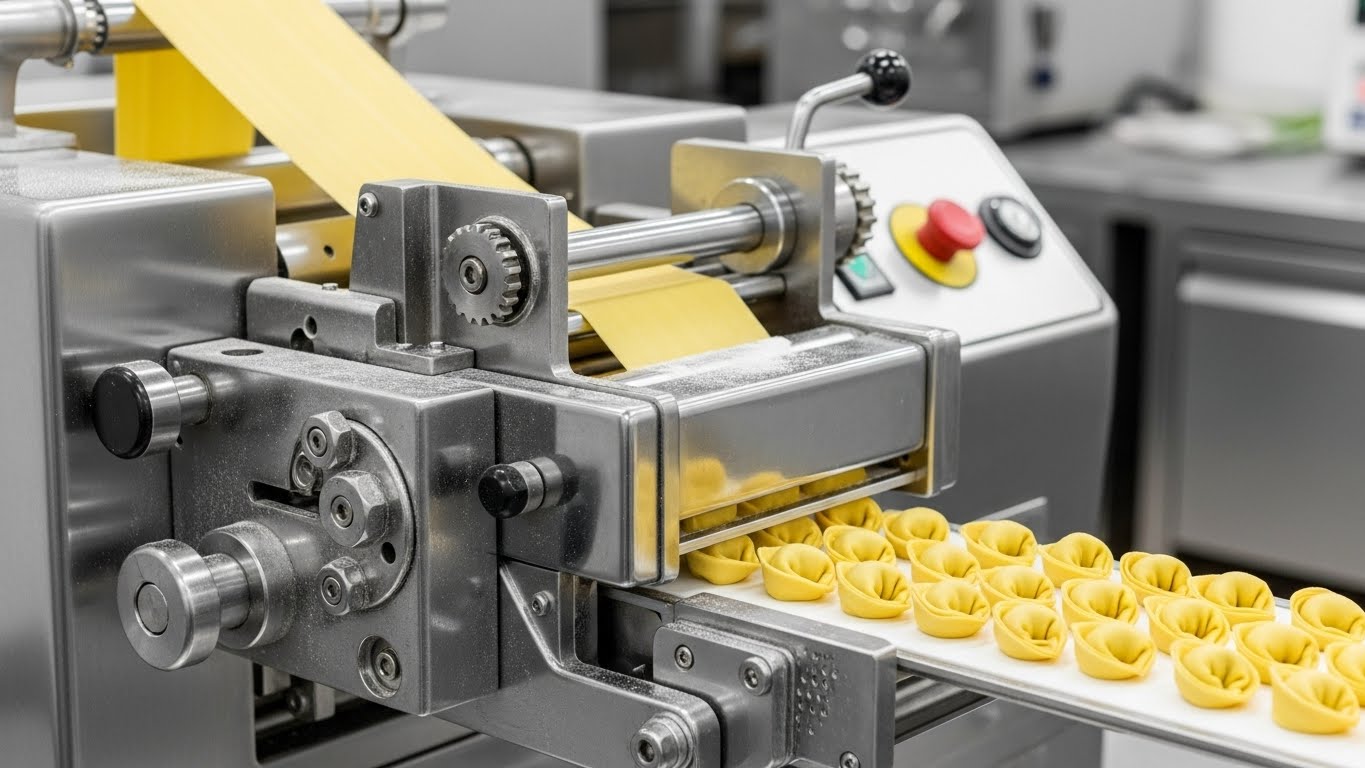
The art of making tortellini, one of Italy’s most beloved pasta varieties, has traditionally been a labor-intensive process. From rolling out the dough to carefully filling and folding each piece, making tortellini by hand requires skill, precision, and time. Enter the Tortellinatrice — a specialized pasta-making machine designed to automate the production of tortellini while maintaining the authenticity and quality of this classic Italian dish.
This article explores what a Tortellinatrice is, how it works, its benefits, types, and why it is transforming both small-scale and industrial pasta production. Whether you are a restaurateur, food manufacturer, or home cooking enthusiast, understanding this innovation will help you appreciate how technology meets tradition in the culinary world.
What Is a Tortellinatrice?
A Tortellinatrice is a machine engineered specifically to produce tortellini efficiently and consistently. While traditional tortellini-making is a manual craft, the Tortellinatrice automates several stages:
-
Rolling and flattening the pasta dough
-
Portioning the dough into the correct size
-
Filling the pasta with meat, cheese, or vegetable mixtures
-
Folding and shaping each tortellino into its signature ring shape
By uniting these laborious steps, the machine significantly reduces production time while preserving the intricate design and taste of handcrafted tortellini.
How Does a Tortellinatrice Work?
The operation of a Tortellinatrice can vary depending on the model and manufacturer, but the core functionality is similar:
-
Dough Preparation: Dough is fed into the machine, either manually or through an automatic feeder. Some advanced models mix the dough directly.
-
Rolling: The machine rolls the dough to the desired thickness, ensuring uniformity across all pieces.
-
Filling: A measured amount of filling is placed on each dough sheet. Precision mechanisms prevent overfilling or spillage.
-
Shaping: The machine folds the dough over the filling, sealing the edges, and forms the tortellini into the characteristic ring shape.
-
Output: The finished tortellini are ejected onto trays or belts for packaging, cooking, or freezing.
Modern Tortellinatrici can produce hundreds or even thousands of tortellini per hour, making them ideal for commercial kitchens and pasta manufacturers.
Benefits of Using a Tortellinatrice
1. Time Efficiency
Manually making tortellini is time-consuming, especially in large quantities. A Tortellinatrice automates repetitive tasks, allowing chefs and manufacturers to save hours of labor.
2. Consistent Quality
Human errors, such as uneven dough thickness or overstuffed pasta, are eliminated. The machine ensures uniform tortellini in size, shape, and filling.
3. Reduced Labor Costs
Businesses can produce high volumes of tortellini with fewer staff, reducing labor expenses while maintaining high-quality output.
4. Hygienic Production
Automated machines minimize human contact with the pasta, ensuring a cleaner and safer product, which is crucial for food safety standards.
5. Scalability
For restaurants and pasta factories looking to expand, a Tortellinatrice allows production to scale efficiently without compromising quality.
Types of Tortellinatrice Machines
Tortellinatrici come in various sizes and capabilities, catering to different needs:
1. Small-Scale Machines
-
Designed for artisanal pasta shops or restaurants
-
Can produce 50–200 tortellini per batch
-
Compact, easy to clean, and energy-efficient
2. Medium-Scale Machines
-
Ideal for mid-sized catering businesses or specialty stores
-
Can produce 500–1,000 tortellini per hour
-
Often features adjustable settings for dough thickness and filling
3. Industrial Machines
-
Used by large pasta manufacturers
-
Can produce thousands of tortellini per hour
-
Equipped with advanced automation, programmable controls, and multiple filling options
Choosing the right Tortellinatrice depends on production goals, space, budget, and product variety.
Key Features to Look for in a Tortellinatrice
When investing in a Tortellinatrice, consider these essential features:
-
Adjustable Dough Thickness: Ensures perfect texture for different types of tortellini.
-
Multiple Filling Options: Allows for a variety of flavors without changing machines.
-
Easy Cleaning: Stainless steel surfaces and removable parts simplify maintenance.
-
Precision Cutting and Folding: Guarantees uniformity and minimal waste.
-
Energy Efficiency: Low power consumption reduces operating costs.
A well-chosen machine balances efficiency, versatility, and durability.
Applications of a Tortellinatrice
Tortellinatrici are versatile tools used in various settings:
-
Restaurants & Pizzerias: Prepare fresh tortellini daily without excessive labor.
-
Catering Businesses: Produce large quantities quickly for events and functions.
-
Food Manufacturing Plants: Scale up tortellini production for frozen or packaged products.
-
Cooking Schools & Culinary Institutes: Train chefs using automated tools while teaching traditional techniques.
By automating production, businesses can focus on creativity, flavor, and customer experience rather than repetitive manual labor.
Tortellinatrice vs. Traditional Hand-Made Tortellini
While hand-made tortellini are prized for craftsmanship, using a Tortellinatrice offers several advantages:
| Aspect | Hand-Made Tortellini | Tortellinatrice |
|---|---|---|
| Production Speed | Slow (minutes per batch) | Fast (hundreds/hour) |
| Uniformity | Varied | Consistent |
| Labor Intensity | High | Low |
| Scaling Production | Difficult | Easy |
| Hygiene | Medium | High |
However, some purists argue that handmade tortellini has an artisanal quality that machines cannot fully replicate. Many businesses strike a balance by using the machine for bulk production while preserving handcrafted batches for premium offerings.
Maintenance Tips for a Tortellinatrice
To ensure long-term performance, follow these maintenance practices:
-
Regular Cleaning: Remove dough residues and filling particles after each use.
-
Lubrication: Check and lubricate moving parts as per the manufacturer’s guidelines.
-
Inspection: Periodically inspect blades, rollers, and folding mechanisms for wear.
-
Calibration: Ensure the machine is properly calibrated for dough thickness and filling portions.
-
Safe Storage: Cover or store the machine in a dry, hygienic area when not in use.
Proper maintenance prolongs the machine’s lifespan and ensures consistent product quality.
Buying Considerations for a Tortellinatrice
Before purchasing, consider these factors:
-
Production Volume: How many tortellini do you need per day or per batch?
-
Budget: Machines vary from small units costing a few thousand dollars to industrial models exceeding tens of thousands.
-
Space: Measure your kitchen or production area to ensure a good fit.
-
Versatility: Check if the machine handles different types of dough and fillings.
-
Support & Warranty: Reliable after-sales service is essential for commercial equipment.
Investing in the right Tortellinatrice ensures a return on investment through labor savings, faster production, and consistent quality.
The Future of Tortellinatrice in the Culinary Industry
With the growing demand for fresh, high-quality pasta, Tortellinatrici are likely to become even more essential:
-
Smart Technology Integration: Modern machines with sensors and programmable controls for precision.
-
Hybrid Solutions: Combining automation with artisanal finishing touches.
-
Sustainability Focus: Energy-efficient designs and minimal food waste.
-
Customization: Adjustable features for new pasta shapes beyond tortellini.
Automation is reshaping pasta production, enabling chefs and manufacturers to maintain tradition while embracing efficiency.
Conclusion: Is a Tortellinatrice Worth It?
For businesses and culinary professionals, a Tortellinatrice is more than a convenience—it’s a game-changer. By automating the most labor-intensive aspects of tortellini production, the machine:
-
Saves time and labor costs
-
Ensures consistent quality
-
Scales production efficiently
-
Enhances hygiene and safety
While handmade tortellini will always have a place in Italian cuisine, the Tortellinatrice allows for modern efficiency without compromising flavor or tradition.