

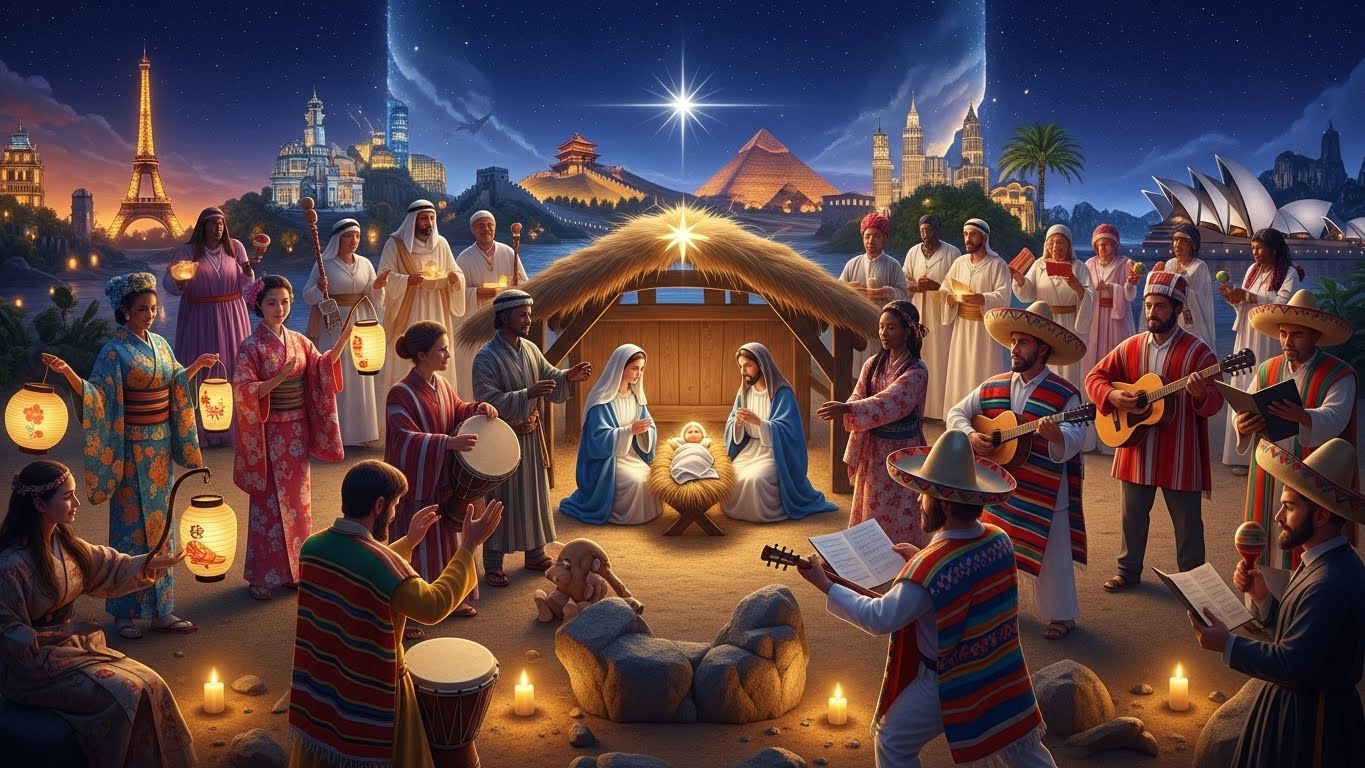
Nativität is a term that evokes warmth, joy, and the spirit of togetherness during one of the most cherished times of the year—Christmas. Across the globe, diverse cultures celebrate this season with unique traditions and customs that reflect their heritage and values. From vibrant decorations to mouthwatering feasts, these festivities unite families and communities in meaningful ways. As we explore how Nativität is celebrated around the world, prepare to be inspired by the rich tapestry of customs that bring light into our lives as we honor this special occasion. Whether you’re looking for new ideas for your own celebrations or simply want to learn about global practices, join us on this journey through festive traditions!
What Is Nativität
Nativität, derived from the Latin word “nativitas,” refers to the birth of Jesus Christ. This significant event is celebrated by millions around the globe, marking a pivotal moment in Christian history.
At its core, Nativität symbolizes hope and renewal. It invites people to reflect on themes of love, family, and community during the festive season.
While primarily associated with Christianity, many cultures have woven their own traditions into this celebration. Each interpretation adds layers of meaning that enrich the experience for individuals and families alike.
In essence, Nativität encapsulates not just a religious observance but an opportunity for togetherness and joy amid winter’s chill. The vibrant customs surrounding it reveal diverse expressions of faith and unity across various societies worldwide.
Christmas Traditions in Europe:
Europe is a tapestry of rich Christmas traditions, each country adding its unique flair to the festive season. In Germany, the enchanting Weihnachtsmarkt comes alive with twinkling lights and aromatic treats. Locals gather to sip glühwein and indulge in gingerbread cookies known as Lebkuchen.
Across the border in France, families celebrate with le Réveillon, a lavish feast that often includes roasted meats and decadent desserts like bûche de Noël. The scent of fresh pine fills homes adorned with beautiful crèches depicting nativity scenes.
In Italy, La Befana brings gifts on Epiphany Eve, while Spain delights in el Día de Reyes or Three Kings’ Day. Each region showcases its own customs reflecting deep cultural roots.
These diverse celebrations highlight how Nativität inspires joy and togetherness across Europe during this magical time of year.
– Germany
Germany is renowned for its festive spirit during the Nativität season. The Christmas markets, or Weihnachtsmärkte, come alive with twinkling lights and aromatic scents of roasted chestnuts and mulled wine. Families gather to browse handcrafted ornaments and enjoy traditional treats.
Advent begins four weeks before Christmas, marking a time of anticipation. Many households use an Advent calendar to count down the days, revealing small surprises each morning.
On December 6th, children celebrate Nikolaus Tag by placing their shoes outside in hopes that St. Nicholas will fill them with candy and gifts overnight. This charming tradition adds excitement for little ones awaiting Christmas Day.
Throughout Germany, custom carols resound as people sing songs about the birth of Jesus in homes and churches alike. Each region embraces unique customs while collectively honoring the warmth of family and joy during this special time of year.
– France
In France, Christmas is a beautifully vibrant affair. The festive season kicks off with Advent, where families light candles each Sunday leading up to Christmas Day.
One of the standout traditions is the “Réveillon,” a lavish feast enjoyed after midnight mass on Christmas Eve. Dishes like roasted goose and bûche de Noël—a delightful chocolate yule log—grace tables across the country.
French towns sparkle under twinkling lights during this period. Markets filled with crafts, food, and mulled wine pop up in many cities. Visitors can find handcrafted ornaments that tell stories of regional heritage.
Another charming custom involves setting out shoes by the fireplace for Père Noël (Father Christmas) to fill them with gifts. Children eagerly await his arrival, adding an air of excitement throughout homes. Each region has its unique flair, making French Nativität rich in culture and joy.
Christmas Traditions in North America:
In North America, Christmas traditions blend influences from various cultures. From the snowy landscapes of Canada to bustling urban streets in the United States, festive spirit abounds.
Many families decorate their homes with twinkling lights and colorful ornaments. The iconic Christmas tree is often adorned with personal mementos passed down through generations.
Gift-giving is a cherished tradition. Children eagerly await Santa Claus, believing he travels from the North Pole on Christmas Eve to deliver presents. Each year, many leave cookies and milk for him as a token of appreciation.
Festive meals bring loved ones together. Roasted turkey or ham often takes center stage alongside favorite sides like mashed potatoes and cranberry sauce.
Caroling is another delightful custom. Groups gather to sing traditional songs, spreading joy throughout neighborhoods while showcasing community spirit and goodwill during this special season.
Christmas Traditions in South America:
In South America, Christmas blends deeply rooted traditions with vibrant local customs. Festivities often begin on December 16th with “Las Posadas,” a nine-day celebration that recreates Mary and Joseph’s journey to Bethlehem. Families gather each night, singing carols and sharing food.
On Christmas Eve, known as “Nochebuena,” many people attend midnight Mass called “Misa de Gallo.” Afterward, families come together for a festive meal featuring roasted meats, tamales, and unique desserts like panettone or dulce de leche treats.
Fireworks light up the sky in cities across the continent. In some regions, it’s customary to exchange gifts at midnight when Jesus is believed to have been born.
The atmosphere is lively and filled with joy. Music plays a significant role too; traditional folk songs blend seamlessly with popular holiday tunes that echo through neighborhoods during this celebratory season.
Christmas Traditions in Asia:
Asia is a tapestry of cultures, and Christmas traditions reflect this diversity. In the Philippines, the festive season kicks off with “Simbang Gabi,” a series of early morning masses leading up to Christmas Day. The streets light up with vibrant parols, star-shaped lanterns that symbolize the Star of Bethlehem.
In Japan, Christmas has taken on a unique twist. Many celebrate by enjoying a special meal from KFC—a tradition born from an impactful marketing campaign in the 1970s. Families often exchange gifts but focus more on romantic dinners than traditional religious observance.
Meanwhile, in India’s Goa region, you can find colorful celebrations blending Portuguese influences with local customs. Homes are adorned with nativity scenes and twinkling lights while caroling fills the air.
Each country brings its own flavor to Nativität celebrations, making it a fascinating exploration across Asia’s rich cultural landscape.
Common Themes and Customs Across Different Cultures:
Across the globe, Nativität evokes a sense of togetherness and joy. Many cultures emphasize family gatherings during this festive season. It’s a time when loved ones come together to share meals and stories.
Gift-giving is another universal theme. From handmade offerings in Asia to elaborate presents in North America, exchanging gifts symbolizes love and gratitude. Each culture has its unique twist on what these gifts represent.
Music plays an essential role as well. Caroling traditions vary but often celebrate hope and unity through song. Whether it’s traditional hymns or contemporary tunes, melodies fill the air with warmth.
Decorations also reflect local customs—a mix of natural elements like evergreen branches alongside colorful lights brings life to homes around the world.
In essence, while each culture celebrates Nativität differently, the core values of love, community, and hope resonate universally.
Conclusion
The celebration of Nativität brings a rich tapestry of traditions and customs from around the globe. Each culture adds its unique flavor to this cherished holiday, creating a diverse landscape of practices that honor the spirit of Christmas. From Germany’s enchanting Weihnachtsmärkte to France’s delectable galettes, every region showcases its identity through heartfelt rituals.
North America embraces festive lights and family gatherings, while South America infuses vibrant music and dance into their celebrations. Meanwhile, Asian cultures add their own interpretations, weaving in local beliefs and traditions.
Across all these variations lies a common thread: love, joy, and unity during a season meant for togetherness. The essence of Nativität transcends borders, reminding us that despite our differences, we can come together to celebrate humanity’s shared values during this special time of year.