

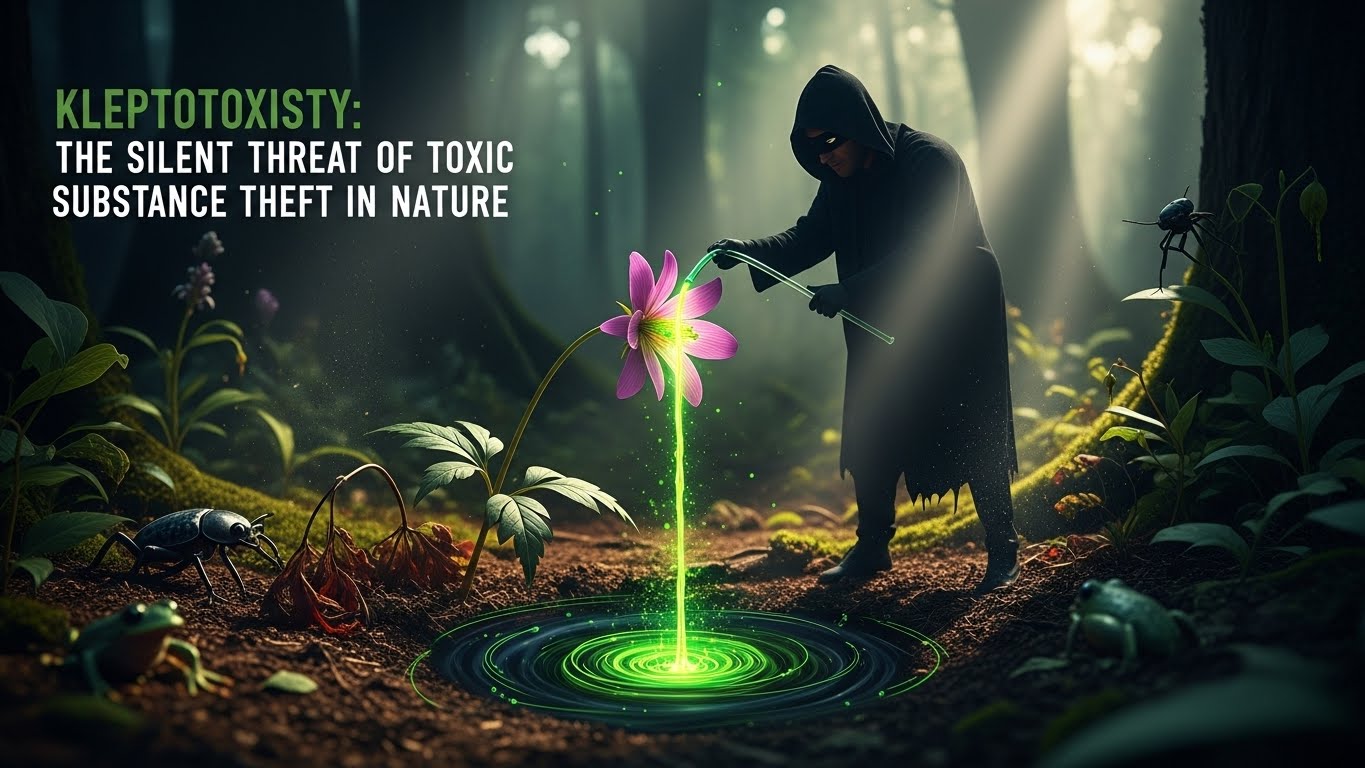
Nature is full of wonders, but it also hides dark secrets. One such secret is kleptotoxicity—the silent threat that arises when organisms steal toxic substances from one another. This fascinating yet alarming phenomenon occurs in various ecosystems and can have significant consequences for both wildlife and humans.
Imagine a world where animals not only compete for food but also pilfer poisons to gain an advantage over their rivals. Kleptotoxicity plays out behind the scenes, affecting predators, prey, and even plants alike. As we delve into this intriguing subject, we’ll uncover examples of toxic substance theft in nature and explore how these actions ripple through our environment.
Understanding kleptotoxicity is crucial as human activities continue to influence ecological balance. From pollution to habitat destruction, we must recognize our role in this intricate web of life—and learn how we can help mitigate its effects on the natural world around us. Join us as we unravel the mysteries of kleptotoxicity!
Examples of Toxic Substance Theft in Nature
Nature showcases fascinating instances of kleptotoxicity. One striking example is the toxic newts, like the California newt. They carry potent tetrodotoxin in their skin, which deters predators. Some animals, however, steal this toxin during predation attempts or by consuming these amphibians.
Another remarkable case involves certain species of poison dart frogs. These vibrant creatures acquire toxins from their diet of ants and termites rich in alkaloids. When other animals attempt to eat them, they suffer severe consequences due to the stolen toxicity that lingers even after a frog’s death.
Even plants engage in this toxic theft phenomenon. For instance, some carnivorous plants can absorb compounds from insects they digest—these substances may include harmful toxins that protect them from herbivores.
These examples reveal an intricate web of interactions where theft plays a crucial role in survival strategies across various ecosystems.
Effects on the Environment and Ecosystems
Kleptotoxicity can have far-reaching consequences on the environment and ecosystems. When organisms steal toxic substances from one another, it disrupts the natural balance of predator and prey dynamics.
This theft often leads to unforeseen toxicity levels in various species. For instance, when predators consume prey laden with toxins, they may suffer health complications that ripple through food webs. Such disturbances can result in population declines or even extinctions.
Moreover, kleptotoxicity affects biodiversity. Species vulnerable to these toxic transfers may struggle to survive in their habitats. As certain populations dwindle, ecological roles shift dramatically.
Habitat quality also suffers as toxic substances accumulate within ecosystems. Pollutants infiltrate soil and water systems, harming plants and microorganisms vital for nutrient cycling. The entire ecosystem’s resilience weakens over time.
Addressing kleptotoxicity is essential for maintaining healthy environments where diverse species can thrive together harmoniously without external threats disrupting their existence.
How Humans Contribute to Kleptotoxicity
Human activities significantly amplify the threat of kleptotoxicity in nature. Urbanization, for example, disrupts ecosystems and accelerates the loss of biodiversity. This leads to more stress on species that rely on toxic substances for survival.
Pollution plays a critical role as well. Chemicals from industries seep into waterways, introducing toxins that organisms may unknowingly steal or consume. This creates a chain reaction impacting various levels of the food web.
Agriculture further intensifies this issue through pesticide overuse. Non-target species often ingest these harmful chemicals, which can alter their behavior and reproductive success.
Deforestation is another contributing factor. It not only diminishes natural habitats but also increases competition among remaining wildlife for scarce resources like toxic compounds.
Our ongoing exploitation of natural resources leaves ecosystems vulnerable to kleptotoxic threats that ripple through communities and generations alike.
Solutions and Prevention Methods
Addressing kleptotoxicity requires a multifaceted approach. One effective method is habitat restoration, which helps to revitalize ecosystems affected by toxic substance theft.
Implementing stricter regulations on chemical use can also make a significant difference. By limiting the introduction of harmful substances into nature, we reduce the risk of them being stolen and misused.
Education plays a critical role as well. Raising awareness about the impacts of kleptotoxicity encourages individuals and organizations to take action against it.
Promoting biodiversity is another essential strategy. Diverse ecosystems are more resilient and better able to recover from disruptions caused by toxic substance theft.
Engaging local communities in conservation efforts fosters stewardship over their environments. This collective responsibility empowers individuals to protect natural resources effectively.
The Importance of Educating the Public
Educating the public about kleptotoxicity is vital. Many people remain unaware of how toxic substance theft impacts ecosystems. Raising awareness can foster a deeper understanding of nature’s interconnectedness.
Workshops, community events, and online resources can make information accessible. When individuals grasp the implications of these actions, they often feel more responsible for their environment.
Schools play a crucial role as well. Integrating environmental education into curricula ensures future generations understand biodiversity’s delicate balance.
Social media campaigns can amplify messages quickly. Engaging content helps to spread knowledge rapidly across diverse audiences.
Encouraging discussions around kleptotoxicity also empowers citizens to advocate for protective measures in local communities. This grassroots approach can lead to significant changes in conservation efforts.
Awareness is just the first step; informed actions follow naturally from there. As more people become involved, collective efforts grow stronger and more effective against this silent threat.
Conclusion
Kleptotoxicity represents a fascinating yet alarming aspect of our natural world. It highlights the intricate relationships that exist in ecosystems and the delicate balance maintained among species. As we uncover more instances of toxic substance theft, it becomes clear that this phenomenon has far-reaching effects on both wildlife and human health.
Understanding kleptotoxicity is vitally important for promoting biodiversity and ensuring ecosystem stability. The impact of these interactions extends beyond individual species; they can alter community structures and disrupt food chains.
Addressing kleptotoxicity requires collective action. From implementing stricter regulations to fostering better waste management practices, there’s much we can do to mitigate its effects. Education plays a crucial role here—raising awareness about how our actions influence nature will empower individuals to make informed choices.
As stewards of the environment, it’s essential for us to recognize the silent threats like kleptotoxicity lurking beneath the surface. By prioritizing research, conservation efforts, and public education initiatives, we can contribute toward maintaining healthier ecosystems that support both wildlife and humanity alike.